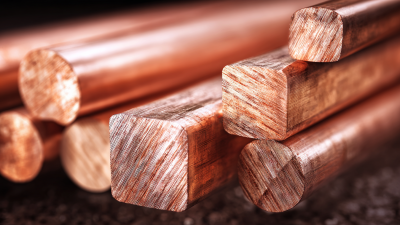
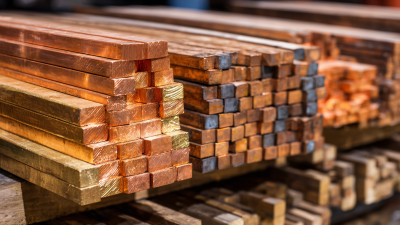
In the fast-moving world of manufacturing and engineering, you really can't overstate how important specially designed copper extrusions are. These things are customized to fit specific performance needs across various industries—think automotive, aerospace, electronics, you name it. As industry expert Dr. Emily Johnson puts it, 'The precision and flexibility of these custom copper extrusions mean they don't just meet the needs of today—they often go beyond what’s expected.' That really highlights how copper’s unique qualities, when used right, can boost durability and functionality.
With the increasing push for high-performance applications, innovation in designing and manufacturing copper extrusions has taken off. Thanks to advanced techniques, manufacturers can craft custom profiles that tackle the particular challenges of each sector. This level of customization helps improve things like conductivity, heat resistance, and mechanical strength—making sure they perform really well in critical environments. As we check out the top ten specially designed copper extrusions, it’s clear that they play a major role in pushing forward progress and making things more efficient in tech and engineering."
Special Characteristics of Copper Extrusions for Performance Applications
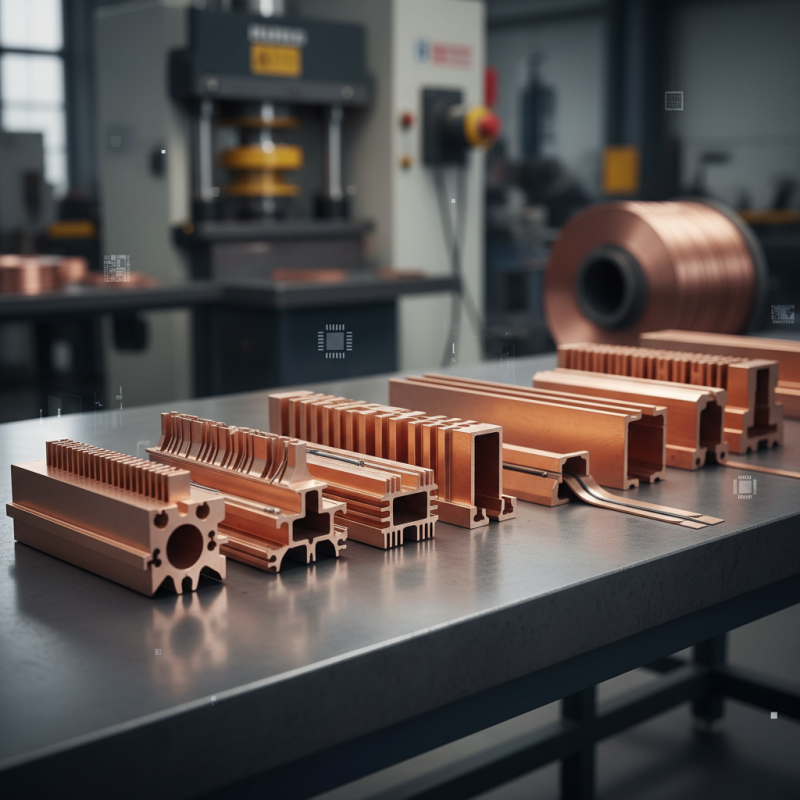
Copper extrusions are celebrated for their unique properties that make them ideal for various performance applications. One of the most significant characteristics of copper extrusions is their excellent thermal conductivity. This property allows copper components to efficiently transfer heat, making them essential in industries such as electronics and HVAC, where heat dissipation is crucial. Moreover, copper's ability to maintain its mechanical strength at elevated temperatures further enhances its suitability for high-performance applications.
In addition to thermal conductivity, copper extrusions exhibit outstanding electrical conductivity. This characteristic is vital in electrical engineering, where reliability and efficiency are paramount. The malleability of copper also allows for intricate designs and complex geometries, enabling engineers to create specialized extrusions that meet specific needs. The versatility of copper means that it can be easily alloyed with other metals, enhancing properties such as corrosion resistance and strength, thus broadening its range of applications in demanding environments. These special characteristics of copper extrusions contribute significantly to their performance, making them a preferred choice in numerous industrial sectors.
Top 10 Specially Designed Copper Extrusions for Superior Performance Applications
| Design Type | Application | Special Characteristics | Performance Benefits |
| Heat Exchanger Extrusions | HVAC Systems | Enhanced thermal conductivity | Improved efficiency |
| Electrical Bus Bar Extrusions | Power Distribution | High conductivity | Reduced energy loss |
| Structural Extrusions | Construction | Corrosion resistance | Longevity and durability |
| Custom Heat Sink Extrusions | Electronics | Optimized surface area | Enhanced cooling performance |
| Rod and Tube Extrusions | Plumbing and HVAC | High strength-to-weight ratio | Easy installation |
| Wire Extrusions | Electrical Applications | Flexible configurations | Versatile usage |
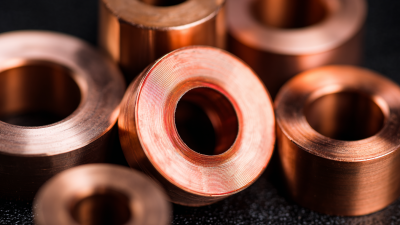
| Fittings and Connectors | Plumbing Systems | Precision-engineered | Seamless connections |
| Cooling Fin Extrusions | Automotive and Industrial | Maximized airflow | Efficient heat dissipation |
| Compact Pipe Extrusions | Hydraulic Applications | Space-efficient | Reduced weight |
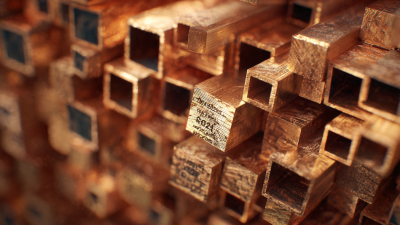
| Flat Bar Extrusions | Fabrication | Uniform thickness | Easy to weld |
Importance of Customization in Copper Extrusion Design
The significance of customization in copper extrusion design cannot be overstated, particularly in high-performance applications across various industries. According to a report by Grand View Research, the global market for copper extrusions is expected to grow significantly, driven by increasing demands for customized solutions in sectors such as aerospace, automotive, and electronics. Customizations allow manufacturers to develop specific shapes, sizes, and alloy variations that meet the precise requirements of their applications, leading to enhanced performance and reliability.
Moreover, tailored copper extrusions can help reduce material waste and improve manufacturing efficiency. The ability to create parts that fit seamlessly into assembly processes minimizes the need for additional machining or adjustments, which is crucial in industries where precision is paramount. A study from the International Journal of Advanced Manufacturing Technology highlights that companies that implemented custom extrusion designs experienced up to 30% reductions in production time and costs. Therefore, the focus on customization not only elevates the functional performance of copper extrusions but also optimizes operational processes, making it a vital consideration for manufacturers aiming for superior outputs.
Top Industries Utilizing Specially Designed Copper Extrusions
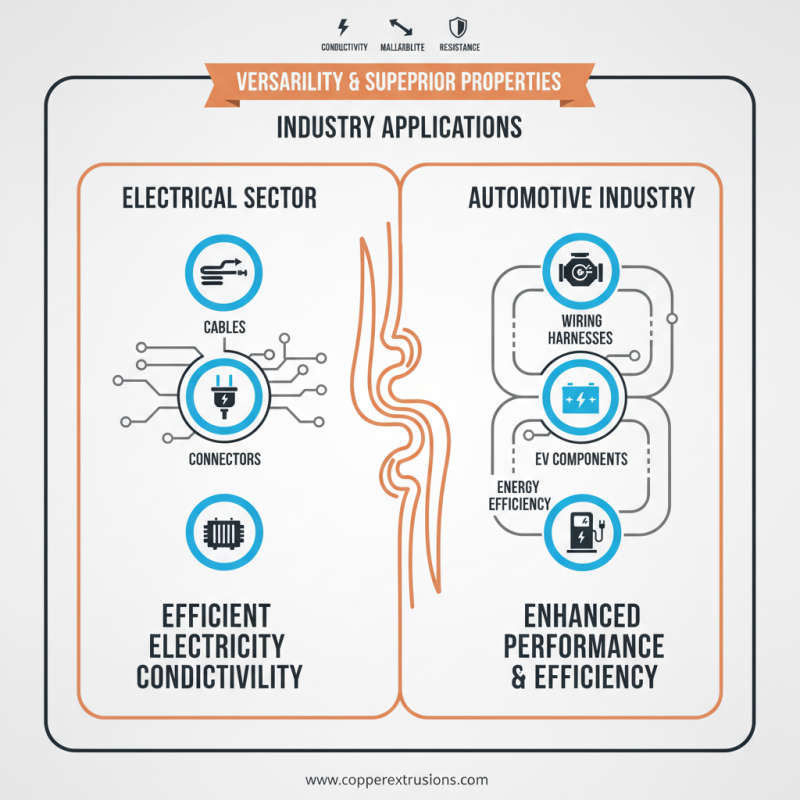
Copper extrusions have found a significant role across various industries due to their exceptional conductivity, malleability, and corrosion resistance. In the electrical sector, specially designed copper extrusions are utilized for efficiently conducting electricity in cables, connectors, and transformers. The automotive industry also benefits from these unique profiles, which are used in wiring harnesses and electric vehicle components, enhancing performance and energy efficiency.
In addition to electrical and automotive applications, the construction sector employs specially designed copper extrusions for plumbing, roofing, and architectural features. Their aesthetic appeal combined with durability makes them ideal for high-end constructions. Furthermore, the HVAC industry utilizes copper for piping systems, where its thermal properties help in effective heating and cooling solutions. As these applications demonstrate, specially designed copper extrusions are pivotal in driving innovation and efficiency across diverse sectors.
Innovative Techniques in Copper Extrusion Manufacturing
The field of copper extrusion has seen significant advancements due to innovative techniques that enhance both efficiency and performance. One notable method gaining traction is direct extrusion, which allows for more intricate shapes and superior material properties. According to the International Copper Association (ICA), the shift towards direct extrusion processes can lead to a 20% reduction in wastage of raw materials, translating into better resource management and cost efficiencies in manufacturing. Additionally, this technique contributes to a finer grain structure in the extruded copper, which enhances both mechanical strength and conductivity—two critical factors in high-performance applications.
Another breakthrough in copper extrusion manufacturing is the implementation of computer-aided design (CAD) along with numerical simulation tools. These technologies allow manufacturers to predict and optimize the flow behavior of copper during the extrusion process. A report from the Journal of Materials Processing Technology indicated that simulations could reduce design cycles by up to 30%, leading to quicker turnaround times for specialized designs. The precision offered by these tools not only improves the accuracy of extruded profiles but also allows for complex geometries that meet the specific demands of industries like aerospace and electronics, where high-performance components are essential.
Key Properties of Copper for Superior Performance Use
Copper is renowned for its exceptional properties that make it the material of choice for various superior performance applications. One of its most significant features is its excellent electrical conductivity, which allows for efficient energy transfer in electrical systems. This property is essential in industries such as electronics, telecommunications, and renewable energy, where minimizing resistive losses is crucial for operational efficiency. Additionally, copper's superior thermal conductivity aids in heat dissipation, making it ideal for use in heat exchangers and thermal management systems.
Another key property of copper is its corrosion resistance, which enhances its longevity and reliability in demanding environments. This resistance is particularly beneficial in applications such as plumbing, marine, and chemical processing, where exposure to moisture and reactive substances can lead to material deterioration. Furthermore, copper's antimicrobial qualities contribute to its use in healthcare settings, helping to reduce the spread of infections. Overall, the combination of electrical and thermal conductivity, corrosion resistance, and inherent antimicrobial properties positions copper as a fundamental material in designs that demand superior performance.
Case Studies of Effective Applications of Copper Extrusions
Copper extrusions have been increasingly recognized for their exceptional performance in various industrial applications. One notable case study is in the field of electronics, where specially designed copper extrusions are utilized for heat sinks in high-performance computing devices. These extrusions enhance thermal management, allowing for efficient heat dissipation that prolongs the lifespan of critical components. As devices become smaller and more powerful, the demand for optimized thermal solutions using copper extrusions continues to rise.
Another compelling example can be found in the automotive industry, where custom copper extrusions are used in electric vehicles for electrical connections and structural components. The excellent conductivity of copper ensures minimal energy loss during operation, while its lightweight properties contribute to improved vehicle efficiency. In this context, the tailored geometries of the extrusions not only support the electrical systems but also play a crucial role in the overall performance and safety of the electric vehicle. These case studies highlight the versatility and effectiveness of specially designed copper extrusions in meeting the demands of modern technology and energy efficiency.
Top 10 Specially Designed Copper Extrusions Performance Analysis
This chart represents the performance metrics of the top 10 specially designed copper extrusions used in various applications, measured in terms of thermal conductivity (W/mK) and electrical conductivity (MS/m).
Future Trends in Copper Extrusion Technology and Applications
The future of copper extrusion technology is poised for transformative advancements, driven by the increasing demand for superior performance applications across various industries. Recent market research by Grand View Research indicates that the global copper extrusion market is expected to reach $9.9 billion by 2027, growing at a compound annual growth rate (CAGR) of 4.8%. This growth trajectory is fueled by the rising adoption of copper extrusions in sectors such as construction, automotive, and electrical engineering, where enhanced conductivity and strength are paramount.
As technology evolves, innovative extrusion processes are being developed to improve efficiency and quality. Techniques such as direct and indirect extrusion can reduce waste and energy consumption, aligning with global sustainability goals. For instance, the implementation of smart manufacturing practices, including real-time monitoring and automation, is anticipated to optimize production and minimize defects. Furthermore, the integration of advanced materials and coatings with copper extrusions promises to enhance corrosion resistance and thermal performance, catering to the demanding requirements of modern applications.
Emerging trends in the industry also highlight the role of 3D printing and additive manufacturing as potential complements to traditional extrusion methods. According to a report from the International Copper Association, the combination of these technologies could lead to significant material savings and design flexibility, offering new possibilities for product development. As industries seek to innovate and enhance performance, the future of copper extrusion will undoubtedly reflect a more advanced, sustainable, and efficient approach to production and application.
Innovative Applications of Copper Alloy Die Castings in the Oil and Gas Sector
Copper alloy die castings play a pivotal role in the oil and gas sector, providing essential components that withstand the demanding environments inherent in petroleum operations. These castings are specifically engineered to exhibit high performance under rigorous conditions, making them vital for the durability of machinery, tooling, and equipment used in drilling, extraction, and refinement processes. Their robust nature ensures reliability, enabling operators to maintain efficient and smooth petroleum activities.
One of the most significant advantages of copper alloys is their exceptional resistance to corrosion, which is crucial when dealing with harsh substances and extreme temperatures. Such attributes allow these materials to thrive in high-pressure and corrosive environments where other metals might fail. Consequently, the adoption of copper alloy die castings in the oil and gas industry can lead to enhanced operational efficiency and prolonged service life of vital components, ultimately contributing to the overall success of energy production and management.
FAQS
: Customization in copper extrusion design is crucial as it allows manufacturers to create specific shapes, sizes, and alloy variations tailored to the precise requirements of high-performance applications, thus enhancing performance and reliability.
Customization helps reduce material waste and improves manufacturing efficiency by creating parts that fit seamlessly into assembly processes, minimizing the need for additional machining or adjustments.
Industries such as aerospace, automotive, and electronics benefit significantly from customized copper extrusions, as they often require specific designs to meet high-performance standards.
Studies indicate that companies implementing custom extrusion designs can experience up to 30% reductions in production time and costs, optimizing their operational processes.
Key properties of copper include excellent electrical and thermal conductivity, corrosion resistance, and antimicrobial qualities, making it suitable for various demanding applications.
Copper’s excellent electrical conductivity is essential for efficient energy transfer in electrical systems, minimizing resistive losses, which is critical in industries like electronics and telecommunications.
Copper's superior thermal conductivity is especially beneficial in heat exchangers and thermal management systems, aiding in effective heat dissipation.
Copper's corrosion resistance enhances its longevity and reliability in environments exposed to moisture and reactive substances, making it ideal for plumbing, marine, and chemical processing applications.
Copper’s antimicrobial properties help reduce the spread of infections in healthcare settings, contributing to improved hygiene and patient safety.
The combination of its electrical and thermal conductivity, corrosion resistance, and antimicrobial properties positions copper as a fundamental material in applications that demand superior performance.
Conclusion
The article "Top 10 Specially Designed Copper Extrusions for Superior Performance Applications" delves into the unique characteristics that make specially designed copper extrusions essential for high-performance applications. It highlights the importance of customization in the design process, allowing industries to meet specific functional needs. Various sectors, including electronics, construction, and automotive, benefit from these tailored solutions.
Innovative manufacturing techniques are discussed, showcasing how they enhance the key properties of copper, such as conductivity, durability, and corrosion resistance. Additionally, the article presents case studies that exemplify the effective use of specially designed copper extrusions in real-world applications. Finally, it addresses emerging trends in technology, indicating a promising future for copper extrusion advancements in various industries.